
The "Big Three" Travel Blackouts: National Day, Labor Day & Chunyun
If you have flexibility in your travel dates, avoid intercity travel during these three periods at all costs:
1. National Day Golden Week (国庆节)
When: October 1 to October 7 every year.
What Happens: China’s entire workforce has 7 consecutive days off. Over 800 million domestic passenger journeys occur. Mountain summits (Huangshan, Huashan), historic attractions (the Forbidden City, Terracotta Warriors), and theme parks are swarmed with multi-hour queues.
2. Labor Day 5-Day Holiday (五一劳动节)
When: May 1 to May 5 every year (5 consecutive days via adjusted weekends).
What Happens: The single most deceptive holiday for Westerners. Unlike Europe's 1-day bank holiday, China stitches weekend shifts into a massive 5-day national vacation. Coupled with ideal spring weather (20°C–26°C), nearly 300 million domestic tourists travel. Bullet train seats and heritage site reservations (Forbidden City, Terracotta Warriors) sell out seconds after release, and hotel rates in scenic hubs jump 200%–350%.
3. Spring Festival Migration (春运 Chunyun)
When: Late January to mid-February (starts 15 days before Lunar New Year and lasts 40 days).
What Happens: Hundreds of millions of urban workers return to their ancestral hometowns. Train stations resemble oceans of travelers. While big cities like Beijing and Shanghai become eerily quiet and empty for 4 days, many neighborhood restaurants and mom-and-pop shops close completely.
Yes, but focus on the quiet tier-one metropolises! In Shanghai or Shenzhen, luxury hotels drop rates, subways are empty, and major municipal museums and malls stay open with dazzling festive lion dances and drone shows. Just avoid traveling between cities during peak travel days.
The Lunar Calendar: Why Dates Shift Annually
Unlike Western holidays pegged to fixed solar calendar dates, traditional Chinese festivals are governed by the ancient lunisolar calendar. As a result, their Gregorian dates shift by 10 to 25 days each year:
- Spring Festival (Chinese New Year · 春节): 1st day of the 1st lunar month (late January to mid-February).
- Lantern Festival (元宵节): 15th day of the 1st lunar month (concludes the New Year season with glowing lanterns and sweet glutinous rice dumplings).
- Qingming / Tomb Sweeping Day (清明节): Around April 4–5 (fixed astronomical solar term; locals honor ancestors and picnic in spring greenery).
- Dragon Boat Festival (端午节): 5th day of the 5th lunar month (late May to mid-June; sticky rice dumplings / Zongzi and vibrant river dragon boat racing).
- Mid-Autumn Festival (中秋节): 15th day of the 8th lunar month (September to early October; full moon admiration, osmanthus wine, and bakery mooncakes).
Top 4 Cultural Festivals Worth Experiencing
If you want to witness traditional Chinese culture at its most visually spectacular, plan your journey around these four celebrations:
| Festival | Best Location | Approx Timing | What to Expect |
|---|---|---|---|
| Harbin Ice & Snow Festival | Harbin, Heilongjiang | Late Dec – Late Feb | World’s largest winter wonderland with towering ice castles illuminated by millions of LED lasers in sub-zero Manchurian air. |
| Water Splashing Festival (Songkran) | Xishuangbanna, Yunnan | April 13 – 15 | Dai ethnic new year: joyous city-wide water fights in tropical rainforest heat, dragon boat races, and night paper lantern floats on the Lancang (Mekong) River. |
| Mid-Autumn Lantern Festival | Suzhou, Hangzhou, Nanjing | Mid Sept – Early Oct | Canals draped in thousands of glowing silk lanterns, mooncake tasting fairs, and evening boat rides on West Lake. |
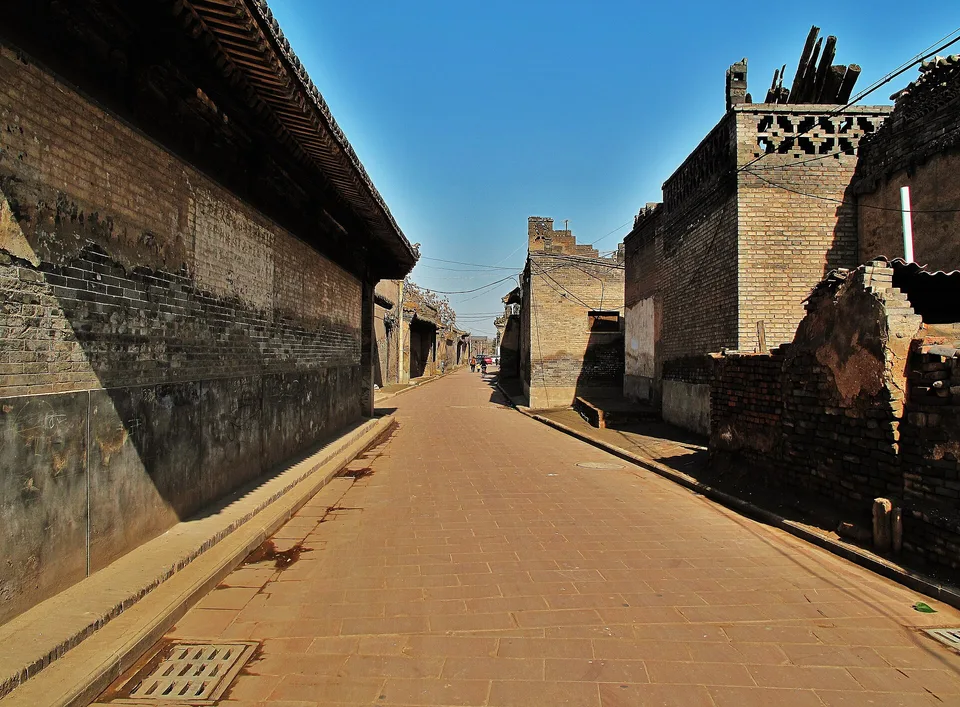
| Ancient City New Year | Pingyao, Shanxi | Lunar 1st Month (Jan/Feb) | Centuries-old courtyard compounds decorated in red paper cuttings, traditional shadow puppet theatre, and northern stilt dancing troupes. |
Official Public Holidays & Adjusted Weekends
China has seven statutory public holidays designated by the State Council. Most notable is the official "Tiaoxiu" (调休) system: the government often shifts weekend days to create 3-day or 7-day holiday blocks, making the Saturday or Sunday before or after the holiday an official working day!
| Public Holiday | Official Days Off | Crowd Severity | Traveler Recommendation |
|---|---|---|---|
| New Year's Day (元旦) | 3 days (around Jan 1) | Moderate | Great for winter city breaks in Shanghai or Guangzhou. |
| Spring Festival (春节) | 8 days (Jan / Feb) | Extreme (Migration) | Stay put in one major city; book transport weeks in advance. |
| Qingming Festival (清明) | 3 days (early April) | Moderate to High | Parks and gardens busy; scenic countryside trips popular. |
| Labor Day (五一劳动节) | 5 days (May 1–5) | Very High | Spring peak: national parks and bullet trains heavily booked. |
| Dragon Boat Festival (端午) | 3 days (June) | Moderate | Fun to watch river races; manageable tourist crowds. |
| Mid-Autumn Festival (中秋) | 3 days (Sept / Oct) | Moderate to High | Beautiful festive evening vibes; book hotel dining early. |
| National Day (十一黄金周) | 7 days (Oct 1–7) | Maximum (Blackout) | Strictly avoid major tourist icons; seek rural hideaways. |
Survival Tactics If Caught in a Holiday Crush
If your travel dates unavoidably overlap with a major domestic holiday, follow these insider tactics to protect your trip:
- Wake Up Early: Arrive at primary ticket gates (e.g. Forbidden City or Terracotta Warriors) at 7:30 AM before tourist tour buses arrive at 9:30 AM.
- Pick "Second-Tier" Heritage Destinations: Instead of West Lake in Hangzhou, explore the tranquil water town canals of Shaoxing or the Zen monasteries of Ningbo.
- Use the Subway Exclusively: City road traffic grinds to a complete standstill during holidays. Subways run on dedicated underground tracks every 2 minutes and bypass gridlock entirely.
- Reserve Train Tickets Exactly 14 Days Ahead: China Railway 12306 releases high-speed train tickets exactly 14 days in advance. Set an alarm for 8:00 AM China Time to secure your seats.
The Best Low-Crowd Windows of the Year
For the most relaxing sightseeing, pristine weather, and abundant hotel availability, target these two golden windows:
Mid-March to Late April (Spring Awakening)
After the Spring Festival rush clears and strictly BEFORE the May 1 Labor Day surge. Temperatures warm up nicely across the Yangtze River Delta and southern provinces, peach and cherry blossoms blanket temple courtyards, and scenic routes are pleasantly quiet. Plan to wrap up intercity transit by April 28.
October 15 to Mid-November (Golden Autumn)
Immediately after the October 1–7 National Day rush subsides. China experiences its clearest skies, lowest rainfall, crisp autumn foliage in Beijing, and comfortable walking temperatures across the country.
China Festivals & Holidays FAQ
Why is China’s Labor Day (May 1–5) so much more crowded than in Europe or North America?
In Europe and the Americas, International Workers' Day is typically a modest 1-day public holiday or ordinary long weekend. In China, the government uses the "Tiaoxiu" (调休) system to shift weekend work days, forging a massive 5-day consecutive vacation. Combined with pleasant 20°C–25°C spring weather nationwide, nearly 300 million domestic travelers hit the rails. Heritage site tickets and bullet train seats sell out weeks ahead; international travelers should avoid intercity trips between May 1 and May 5.
Do museums and scenic spots close on public holidays?
No! Unlike Western countries where museums often shut on Christmas or New Year, Chinese cultural attractions, theme parks, and major monuments remain 100% open on all public holidays. However, mandatory online ticket reservations sell out days in advance.
Will restaurants and shops be open during Chinese New Year?
Upscale hotel restaurants, shopping malls, and large dining chains (Haidilao, Din Tai Fung) remain open throughout the entire New Year. Small family-run street stalls and independent noodle shops typically close for 7 to 10 days while owners visit their hometowns.
What is the weather like during the Harbin Ice Festival?
Harbin in January and February is brutally cold, with temperatures regularly dropping to -20°C to -30°C (-4°F to -22°F). High-quality windproof down parkas, thermal underwear, fleece balaclavas, and toe heat-packs are non-negotiable.
When does the official State Council holiday schedule get announced?
The State Council releases the official national holiday dates and weekend compensation schedule each year in late November or early December for the upcoming calendar year.
Sources & further reading
Verified against official statutory publications, regulatory decrees, and authoritative government portals:
- General Office of the State Council of the PRC (国务院办公厅) — Official annual statutory public holiday calendar, holiday extensions, and adjusted working day notices.
- Ministry of Culture and Tourism: Holiday Tourism Market Data — Domestic traveler volume statistics, scenic site capacity controls, and visitor reservation protocols.