
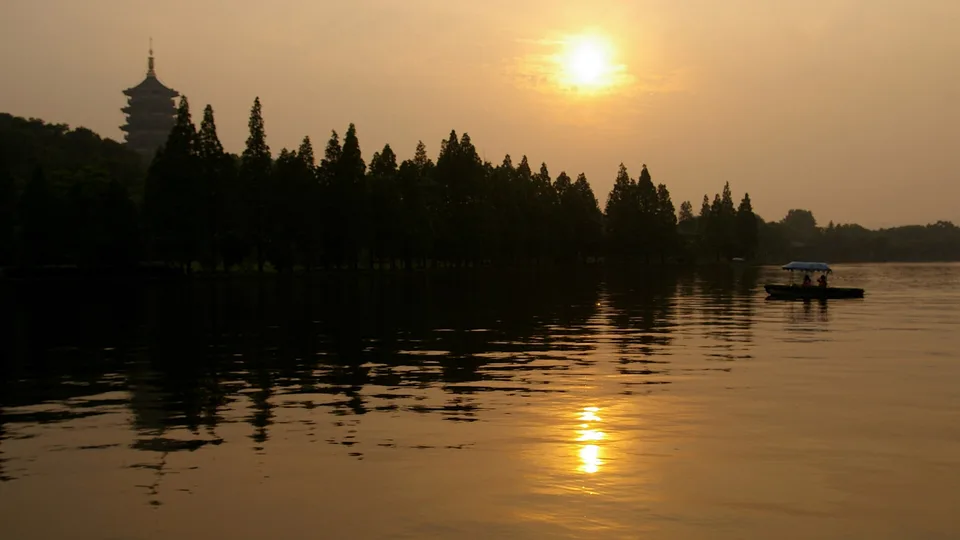
Continent-Sized Climate Zones
Stretching 5,000 km from the sub-arctic pine forests of Heilongjiang in the north to the tropical palm beaches of Hainan Island in the south, China spans five distinct climatic zones. When planning a multi-city route, you will experience stark regional differences:
- Northern China (Beijing, Xi'an, Harbin): Four well-defined seasons. Freezing, crisp dry winters (-5°C to -15°C); hot, occasionally rainy summers (30–35°C); stunning, clear golden autumns.
- Central & Eastern China (Shanghai, Hangzhou, Suzhou, Yangtze Delta): Subtropical monsoon climate. Humid, sweltering summers; cool, damp winters; glorious, temperate spring and autumn.
- Southwestern China (Chengdu, Chongqing, Yunnan): Microclimate diversity. Chengdu is mild and misty year-round; Yunnan (Kunming, Dali) enjoys eternal spring-like temperatures (15–25°C).
- Southern China (Guangzhou, Guilin, Shenzhen, Hong Kong): Tropical/subtropical. Long, hot, humid summers with monsoon downpours (June–August); mild, pleasant dry winters (18–22°C).
Season-by-Season Breakdown
Autumn (September – November) ⭐⭐⭐⭐⭐
Verdict: The Best Window. Blue skies ("autumn high and the air is crisp" / 秋高气爽), minimal rainfall, and jaw-dropping golden ginkgo and red maple foliage at the Great Wall and Mount Huangshan.
Spring (April – May) ⭐⭐⭐⭐
Verdict: Excellent. Blooming peach and cherry blossoms across Jiangnan water towns. Comfortable walking temperatures, though southern regions begin seeing humid days in late May.
Summer (June – August) ⭐⭐⭐
Verdict: Hot, crowded & rainy. Humid heatwaves in eastern cities ("the furnace cities") and summer vacation crowds. Ideal for high-altitude mountain escapes like Shangri-La and Jiuzhaigou.
Winter (December – February) ⭐⭐⭐
Verdict: Lowest crowds & budget friendly. Crisp, dramatic snow scenes at the Great Wall and Harbin Ice Festival, or tropical warmth in Hainan. Bundle up with thermal layers.
The Blackout Dates: Holidays to Avoid
If there is one absolute rule for foreign travelers in China, it is to cross out the major domestic holiday weeks on your calendar:
- National Day Golden Week (October 1 – 7): ❌ Do not travel. The single most congested week in global tourism. Hundreds of millions of people flood train stations and national parks. The Great Wall and Forbidden City reach maximum safety capacity by 9:00 AM.
- Lunar New Year / Spring Festival (Late January or February): The world's largest annual human migration (Chunyun). Trains and domestic flights are packed with migrant workers returning home; many local restaurants and family shops close for 7–10 days.
- May Day Holiday (May 1 – 5): High domestic travel surge across theme parks and top-tier mountain parks.
The sweet spot for autumn travel is between October 10 and November 25: immediately after the Golden Week crowds disperse, leaving uncrowded trains, lowered hotel rates, and peak vibrant foliage!
Best Months by Iconic Region
- Beijing & The Great Wall: September to November. Crystal clear skies and vibrant orange-red mountain hillsides.
- Shanghai, Suzhou & Hangzhou: March to May (tea harvest season) and October to November.
- Xi'an (Terracotta Warriors): April, May, September, and October.
- Guilin & Yangshuo (Karst Peaks): September to November (crisp, dry river cruises) or April to May for atmospheric misty karst scenery.
- Sichuan & Chengdu (Pandas & Jiuzhaigou): October (Jiuzhaigou autumn colors reflect like mirrors on crystal lakes).
- Yunnan (Dali, Lijiang, Shangri-La): October to April (dry sunny winter skies and dramatic snow-capped Jade Dragon Snow Mountain views).
Packing Strategy for Multiple Microclimates
When packing for a multi-city itinerary, smart layering is essential:
- Footwear: High-cushion walking sneakers are paramount. You will effortlessly walk 15,000 to 25,000 steps per day across vast palace courtyards, marble subway concourses, and paved mountain stone staircases.
- Breathable Layers: Pack a lightweight, packable down jacket or windbreaker (Uniqlo Ultra Light Down style) that slips into your daypack when climbing mountain trails.
- Sun Protection: High-altitude regions (Yunnan, Tibet) and open palaces (Forbidden City, Summer Palace) offer zero shade; carry polarized sunglasses and high-SPF sunscreen.
Best Time to Visit FAQ
Is it worth visiting Beijing in the dead of winter (January)?
Yes, if you enjoy dramatic atmosphere without crowds. Winter mornings in Beijing feature crisp blue skies, almost zero foreign or domestic tour groups at the Forbidden City, frozen moat skating at the Summer Palace, and hearty steaming mutton hotpot dinners.
Does it rain every day during the southern summer monsoon?
Monsoon showers in southern China (Guangzhou, Guilin, Shenzhen) are typically intense afternoon thunderstorms lasting 45–60 minutes, rather than continuous week-long grey drizzles. Carrying an ultra-compact umbrella ensures zero itinerary disruption.
When do cherry blossoms bloom in China?
Cherry blossoms generally bloom between mid-March and early April. Premier viewing locations include Wuhan University, Yuantouzhu in Wuxi, and Yuyuantan Park in Beijing.
Are hotels heated in southern China during winter?
Central radiator heating (暖气) is legally provided by the government north of the Huai River (e.g. Beijing, Xi'an). South of the river (Shanghai, Hangzhou, Guilin), hotels rely on reverse-cycle air conditioners for warmth.
Sources & further reading
Verified against official statutory publications, regulatory decrees, and authoritative government portals:
- China Meteorological Administration (CMA) — National climatology archives, 30-year regional temperature averages, and seasonal precipitation monitors.
- Ministry of Culture and Tourism Holiday Travel Data Center — Annual statutory holiday crowd migration statistics and scenic area carrying capacities.