
3–4 days · 2–3 nights · default stay

China · Amdo Tibetan Plateau · Grasslands, Monasteries & Alpine Pastures

Gannan Tibetan Area 甘南

Discover the distinct regional charm, landscapes and culture of 甘南.

Recommended stay3–4 days · 2–3 nights
Ease of travel7/10
First China trip6/10
Infrastructure7/10
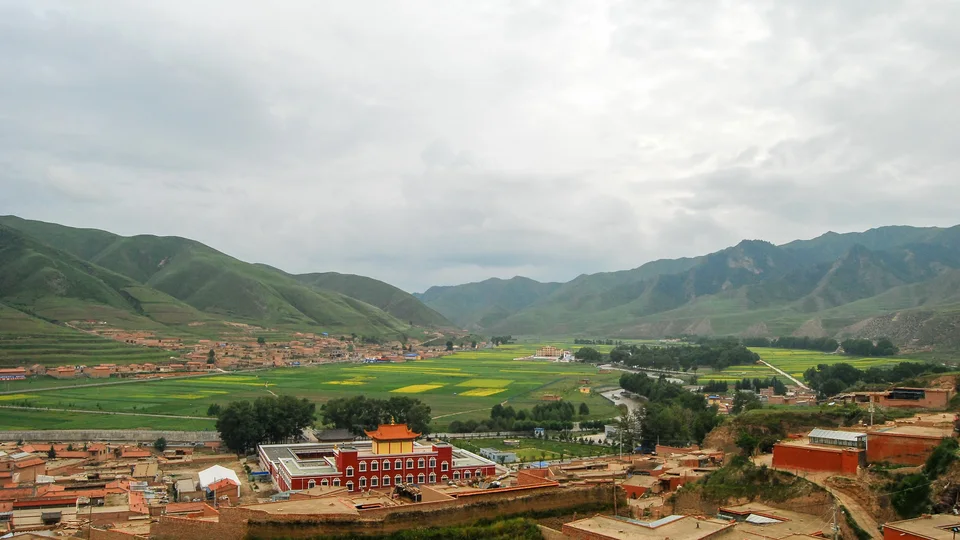
Panoramic overview of Labrang Monastery's vast monastic halls and golden roofs nestled along the valley in Xiahe, Gannan
35.20°N · 102.50°E Amdo Tibetan Plateau · Labrang Monastery & Sangke Alpine Grasslands
Photo: Shizhao (CC BY-SA 3.0)

Why this place

Gannan Tibetan Area

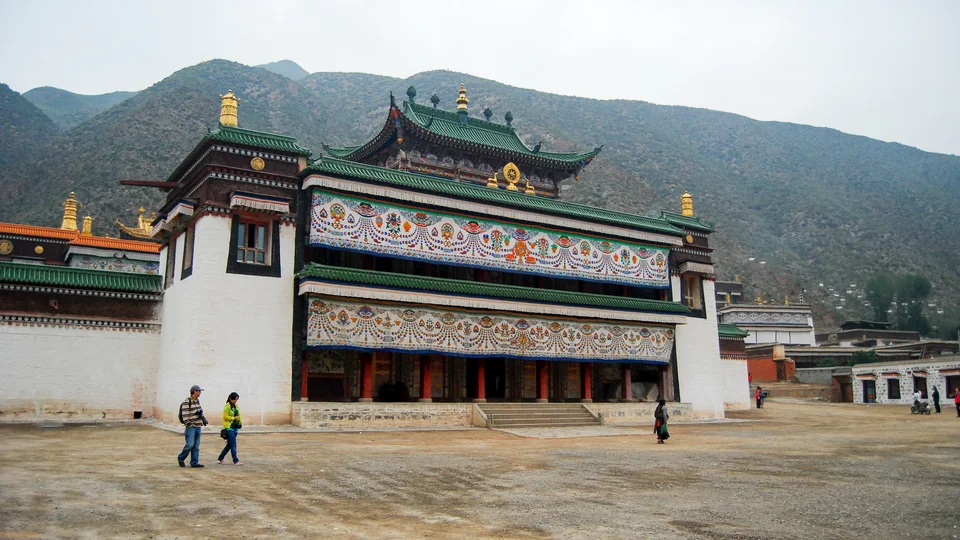
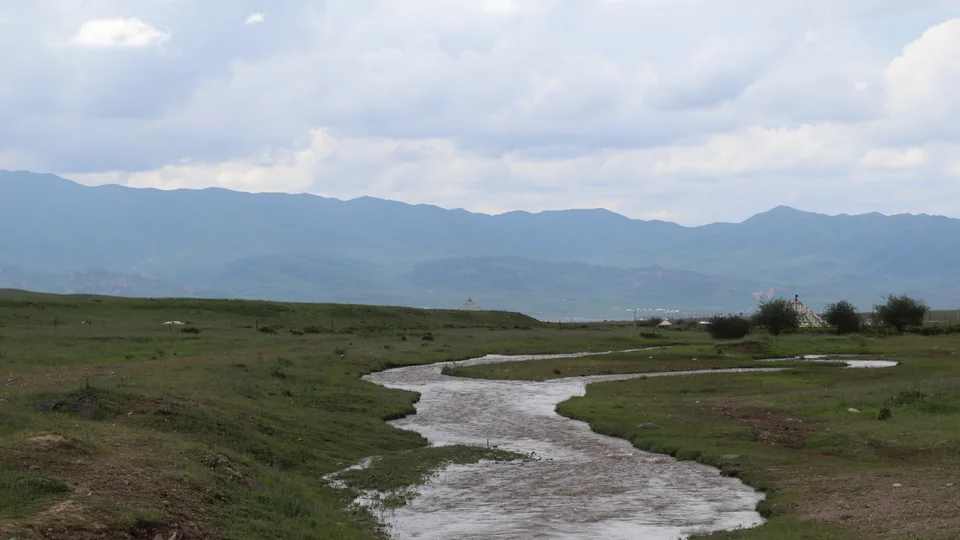
Gannan, the Amdo Tibetan cultural region in southern Gansu, sits on the northeastern edge of the Tibetan Plateau. Its crown jewel, Labrang Monastery, holds the world’s longest prayer-wheel corridor and is one of Tibetan Buddhism’s most important monastic universities. Rolling alpine grasslands, remote Tibetan villages and forest-fringed valleys define this landscape, where nomadic pastoral traditions remain deeply alive.

Many visitors rush between temples in a single day and overlook local cultural courtesies. Watch for roadside stalls selling overpriced caterpillar fungus and fake Tibetan jewellery; horse rental vendors often hide surcharges after you start riding. The true value of Gannan comes from slow morning visits to the monastery, not a checklist of photo stops.
The ChinaTrip take

The World's Longest Prayer-Wheel Corridor, Amdo Monastic Debates, and Rolling Alpine Steppes

Perched on the northeastern edge of the Tibetan Plateau where rolling alpine meadows meet forested limestone gorges, Gannan is the cultural heartland of Amdo Tibet. Its spiritual center, Labrang Monastery in Xiahe, is one of the six great monastic universities of the Gelug school, sprawling like a miniature golden-roofed city along the Daxia River. Surrounding the monastery is the world's longest continuous prayer-wheel corridor—spanning more than 3.5 kilometres—where maroon-robed monks and pilgrims from across the plateau turn polished bronze wheels in hypnotic unison. Beyond the monastic colleges, the landscape unfurls into the endless green pastures of Sangke Grassland, dotted with black yak-hair tents, grazing herds, and the dramatic hidden stone-tower amphitheatre of Zhagana.

How this destination fits a China trip

01

What defines it

Labrang Monastery and 3.5km prayer-wheel corridor, Amdo monastic debate courtyards, Sangke Grassland, and Langmusi gorge.

02

Who it suits best

Tibetan cultural explorers, documentary and landscape photographers, overland road-trippers, and spiritual travelers.

03

Plan around this

Acclimatise for one night in Xiahe (2,900m); join the dawn monastery circuit with local pilgrims; carry warm layers even in mid-summer.

ChinaTrip scorecard

The same 0–10 scale is calibrated across our entire catalogue, ensuring comparisons remain strictly reliable.

Culture10/10
Food6/10
History9/10
Nightlife2/10
Heritage & Architecture10/10
Nature10/10
Wildlife5/10
Adventure9/10
Local feel10/10
Photography10/10

Plan China

Getting there & moving on

Practical transit guidance from ChinaTrip’s curated high-speed rail and flight graph. Times are realistic door-to-door estimates.

Main planning gateway

Xiahe (Labrang) · Lanzhou Zhongchuan International Airport (LHW)

Typical access High-speed rail to Lanzhou West then 3.5hr coach/private transfer to Xiahe
Gateway transfer 3.5h coach from Lanzhou South Bus Station to Xiahe (Labrang Monastery) No high-speed rail reaches Gannan directly. Arrive by high-speed train or flight into Lanzhou, then take a long-distance coach or private car to Xiahe. Within Gannan, private vehicles or local coaches connect Xiahe, Sangke Grassland and Langmusi. Labrang Monastery is a short walk from central Xiahe town.
Entry clearance 30-Day Visa-Free Hub 50 eligible nations · No city limits

Rolling alpine grasslands, river valleys and large Tibetan monastic compounds. Elevation in Xiahe sits around 2,900m; Langmusi reaches roughly 3,300m. The terrain is mostly open and walkable, though strong UV and sharp temperature swings define the highland climate.

Good onward connections

These are the strongest high-speed rail next-step links in the curated ChinaTrip route graph, not an exhaustive railway timetable.

Times are realistic door-to-door high-speed rail estimates. Bullet trains run directly between central downtown stations without airport transit buffers.

When to go

Season matters. Calibrated climate, atmospheric clarity, crowd volume, and overall travel fit for Gannan Tibetan Area.

9–10 / 10 · Ideal (Best weather) 7–8 / 10 · Good (Shoulder season) 5–6 / 10 · Caution (Heat, cold or crowd peak)
Best Window
Summer (Jun–Aug)

The golden season for the plateau: lush emerald grasslands carpeted with wildflowers, comfortable daytime temperatures (18°C–24°C), and nomadic pastoral life in full bloom.

Shoulder Season
Autumn (Sep–Oct) & Late Spring (May)

Crisp golden pastures and deep blue skies, with fewer domestic tourists, though nights drop near freezing.

Challenging / Low
Winter & Early Spring (Nov–Apr)

Harsh plateau winter with sub-zero freezing temperatures and occasional heavy blizzards; high passes may experience road icing.

Jan 3/10 Cold
Feb 3/10 Cold
Mar 5/10 Caution
Apr 7/10 Good
May 9/10 Ideal
Jun 10/10 Ideal
Jul 10/10 Ideal
Aug 10/10 Ideal
Sep 9/10 Ideal
Oct 7/10 Good
Nov 4/10 Caution
Dec 3/10 Cold

A strong first visit in 3 days

Day 1

Labrang Monastery Tibetan Philosophy & Sangke Grassland Sunset

Visit Labrang Monastery in Xiahe, home to the largest monastic university outside Tibet. Walk the world-record 3.2km prayer-wheel corridor alongside maroon-robed monks and listen to afternoon philosophical debates. Late afternoon, take a brief 20-minute transfer to Sangke Grassland to watch the golden twilight spill across rolling alpine meadows. What tourist trap to skip: Beware aggressive touts selling counterfeit caterpillar fungus (cordyceps) and fake silver amulet boxes near the monastery gate. Confirm horse rental duration and rates before mounting on the grassland. Dining advice: Try authentic Tibetan tsampa, yak butter tea, and tender boiled mutton at small family eateries in Xiahe old town.

Day 2

Langmusi Twin Monasteries & Namo Gorge Mountain Walk

Transfer south through scenic alpine passes to Langmusi, the picturesque village split across the Gansu-Sichuan provincial border. Tour the serene hillside temples of Kerti and Dacang Langmu monasteries, then hike into the mouth of the spectacular Namo Grand Gorge where natural springs bubble beneath towering limestone cliffs. What tourist trap to skip: Reject unlicensed local self-proclaimed guides demanding cash to access 'restricted valley lookouts'. Respect signs prohibiting photography inside active monastic prayer halls. Dining advice: Dine at cozy traveler cafes in Langmusi village; sample yak-cheese wood-fired flatbread and hearty Lanzhou-style hand-pulled noodles.

Day 3

Zhagana Stone Citadel Morning Mist & Fairy Beach Plateau

Drive through scenic mountain gorges into Zhagana, the breathtaking hidden stone amphitheater celebrated by explorer Joseph Rock as a 'lost Eden'. Wake early to photograph the sea of clouds drifting across ancient wooden stilt houses and terraced fields tucked beneath 4,000-meter sheer limestone spires. Hike up to Fairy Beach (Xiannütan) for panoramic valley vistas before beginning your return toward Hezuo or Lanzhou. What tourist trap to skip: Confirm return chartered car arrangements in advance as remote village transport is limited. Dining advice: Savor Tibetan highland wild mushroom stir-fry and warm barley porridge at a family-run guesthouse in Dongwa Village.

Who does it suit?

First-time China travellers5/10
History & culture buffs10/10
Couples8/10
Families with teenagers7/10
Photographers10/10
Active travellers9/10
Slow travel7/10
Solo travellers8/10

ChinaTrip Verdict

How long should you stay?

We recommend 3–4 days · 2–3 nights for most international travelers. That gives you dedicated unhurried time to absorb the primary highlights without feeling rushed or stretching beyond the useful range.

Direct answers

Essential travel FAQ & warnings

Fact-checked official entry rules, ticket release schedules, and logistics advisories for international visitors.

Booking & Logistics Note

How do foreign passport holders book Labrang and Gannan attraction tickets without mainland WeChat?

Trip.com English supports booking monastery entry tickets using passport data. Tickets can also be purchased on-site at the monastery visitor service counter by presenting a physical passport. Some grassland viewing zones are free and require no reservation.

Local Tip

What plateau acclimatisation guidance and cultural etiquette rules apply in Gannan?

Spend your first night in Xiahe to adapt to altitude; avoid heavy alcohol and strenuous exercise the day you arrive. Always ask permission before photographing monks, pilgrims or local residents. Many monastery inner halls prohibit photography entirely.

Practical Check-in Note

What hotel registration, transport and safety rules should I know for Gannan?

Confirm accommodation in Xiahe or Langmusi can complete foreign guest registration. Book inter-town coaches or private transfers in advance, especially during summer peak season. Bring layers, sunscreen, sunglasses and plenty of water; stay on marked trails on the grasslands.

Universal China Travel Policies

Nationwide Regulations & Booking Rules for Foreign Passport Holders

These official real-name entry, ticketing, and immigration rules apply uniformly across all Chinese cities:

Global Booking Rule Can foreign passport holders book attraction tickets on Chinese WeChat mini-programs?

Most official Chinese WeChat mini-programs support passport as an ID type, but registration requires a mainland Chinese +86 mobile phone number for SMS verification. Most overseas visitors cannot register independently.

Global Booking Rule What booking channels are available for foreign visitors without a Chinese mobile number?

Four practical booking channels (priority order):
1. Recommended self-booking: International OTA platforms (Trip.com international site, Klook, GetYourGuide). English interface, register with overseas email or foreign mobile number, pay with Visa/Mastercard, directly fill passport details.
2. Official English website (only available for a small number of scenic sites).
3. Hotel concierge or licensed local guide. Provide your passport copy; they can book tickets via official mini-program using their Chinese mobile number.
4. Emergency on-site backup: Foreigner service ticket counter or multi-language self-service machines at the attraction. Warning: during peak seasons, timed tickets often sell out fully in advance. On-site purchase is not guaranteed and queues can be long.

Global Booking Rule Do I need to pick a visit date on Trip.com? Are booking and reservation handled on separate websites?

Booking and timed reservation are completed together inside Trip.com international site, no second website or WeChat mini-program required.
While purchasing tickets, you directly choose your visit date. Many popular attractions also require selection of entry time slot, entry gate or sightseeing route. Fill passport information and complete payment. Once confirmed, your real-name reservation slot is locked under your passport automatically.
Important Warning: A small subset of products are voucher-only; these only give a redeem code and still require separate reservation on official sites. Always select items labelled Direct Timed Entry Ticket.
For multi-day re-entry (such as Zhangjiajie’s 4-day ticket), check product description: free re-entry time slots may still need separate reservation even when your main ticket remains valid.

Global Entry Rule Can I enter attractions using only a photo or scanned copy of my passport?

No. Physical original passport is mandatory for entry at all scenic sites. Photos, screenshots, digital scans of passport are not accepted for manual verification or facial recognition checks.

Immigration & Accommodation What is the accommodation registration rule for foreign visitors?

Foreign passport holders must complete accommodation registration within 24 hours after entering China. If you check into a licensed hotel, the hotel staff will automatically complete this registration for you. No need for you to personally visit a police station.

Immigration & Accommodation What is China’s visa-free entry policy for foreign tourists?

China offers unilateral visa-free entry for citizens from a list of countries. Visa-free travel is valid for mainland China, you can travel to any city within the allowed stay period. Visa-free permission does not cover Hong Kong, Macau or Taiwan. Check the official National Immigration Administration website for the latest country list and maximum stay duration before travel.

ℹ️ All information is fact-checked against official authorities. Verified ticket & train links may earn ChinaTrip a modest commission at zero cost to you.

Does Gannan Tibetan Area sound like your China?

Use Find Your China to compare this destination with the rest of the country using your own priorities.